
Sad Irons: The Heavy History of Early Ironing

February 7, 2025

Before electricity, sad irons smoothed clothes with fire-heated weight. Discover their evolution, types, and how to identify collectible antique irons.

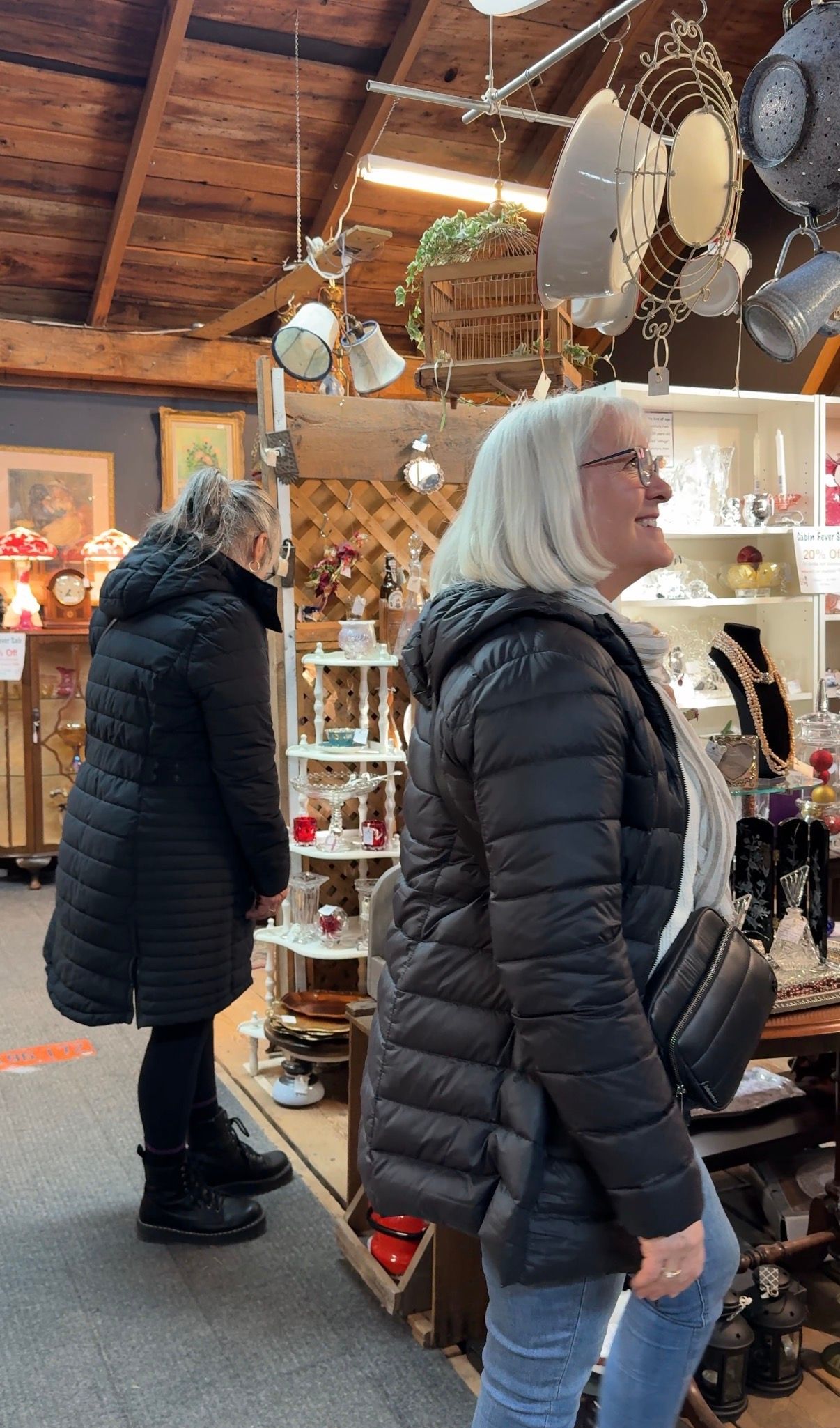
Two people in puffy coats browsing a gift shop with hanging ornaments and shelves of souvenirs.

The household task of ironing clothes has evolved dramatically—from smoothing with wooden rollers to today’s electric irons. Along that journey came the sad iron, the first tool to use heat for wrinkle removal, long before electricity was available.

What Is a Sad Iron?

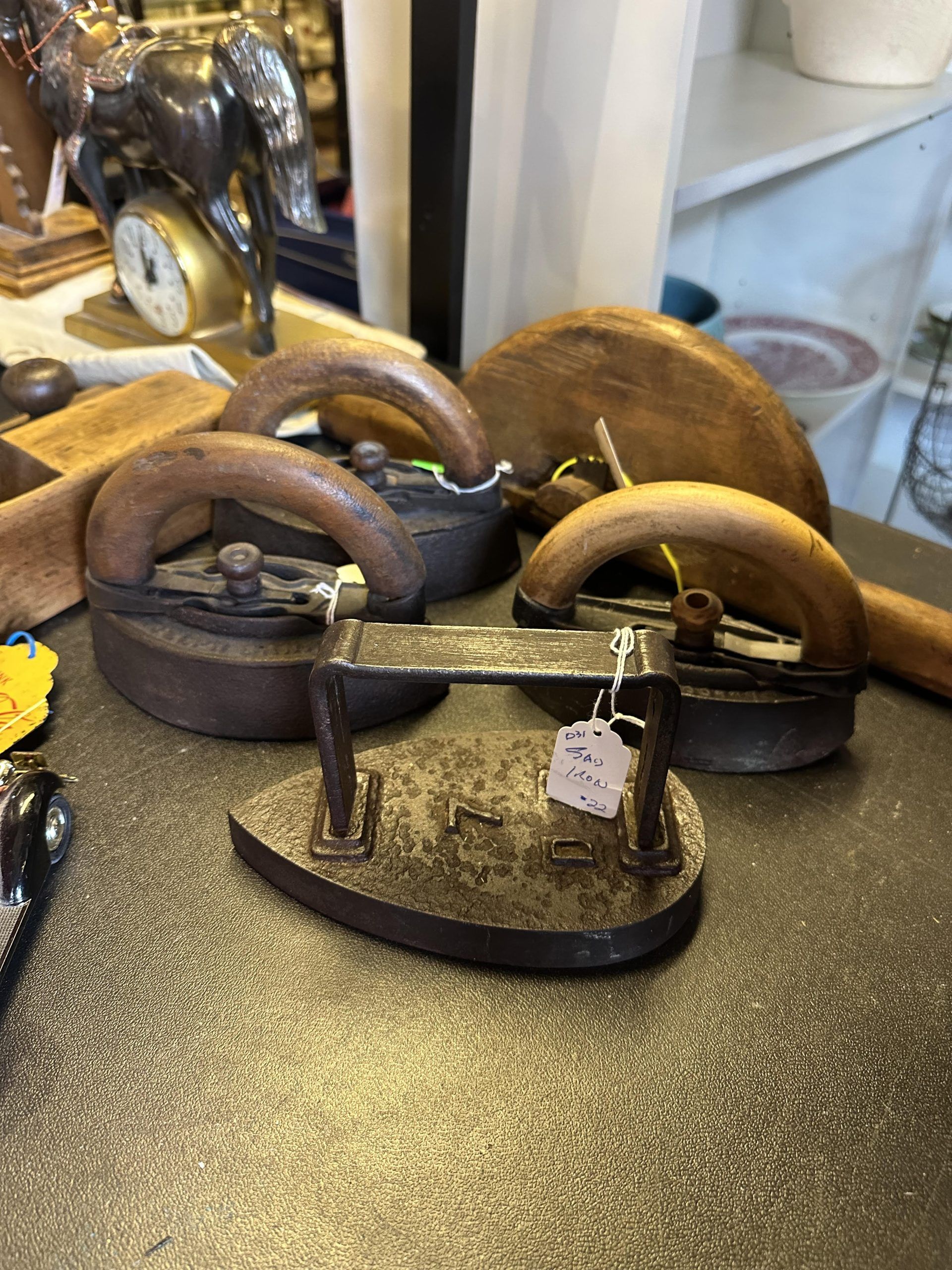
The term “sad” comes from an old English word meaning solid or heavy—fitting, since these irons typically weighed five to nine pounds. Also known as flat irons or smoothing irons, they first appeared in Europe in the 1700s and in North America in the 1800s, forged by blacksmiths from a single piece of cast iron.

How Sad Irons Were Used

Sad irons were heated on a stove or near an open fire, then briefly cooled on stone or glass before use. Early models had metal handles that got hot, requiring a thick cloth or pad to hold them. Later designs featured wooden handles that stayed cool. In the 1900s, some models even included an asbestos lining under a fitted cover to retain heat more efficiently.


To work more efficiently, households often had two irons: one in use and one heating up. When the first cooled, the second was ready to go.

Types of Early Irons

While sad irons were the heaviest and most common, other types evolved:


  • Box Irons (Belgium Box Irons): Held a heated metal slug inside for extended use.
  • Charcoal Irons: Featured a hollow chamber for hot charcoal, keeping the iron heated longer.
  • Asbestos Sad Irons: Used asbestos to direct heat downward and reduce handle temperature.

Value and Collectibility

Several factors influence a sad iron’s value, including age, design, rarity, condition, and manufacturer markings. Older and rarer pieces tend to fetch higher prices, especially when in good condition or paired with original accessories.

Find Sad Irons at Cookstown Antique Market

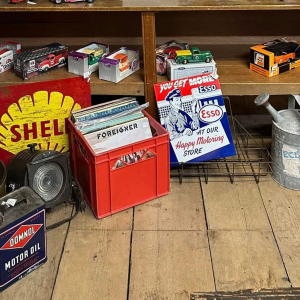
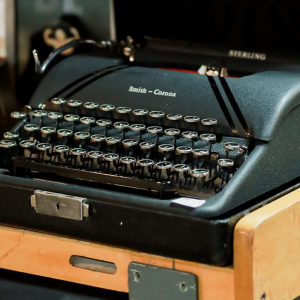
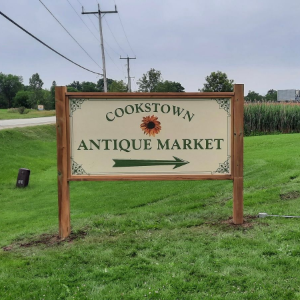
You might spot a beautifully preserved sad iron—or even an entire collection—among the quality antiques and vintage items available from 35 dealers at the Cookstown Antique Market on Highway 27 in Cookstown, Ontario. Collectors, decorators, and vintage lovers can explore the 6,000-square-foot, century-old barn for that perfect old-world find.

Two people in dark coats browsing displays inside a rustic indoor market shop
March 5, 2026
Who shops at Cookstown Antique Market? Everyone. From solo shoppers and couples to families and friends everyone is welcome.
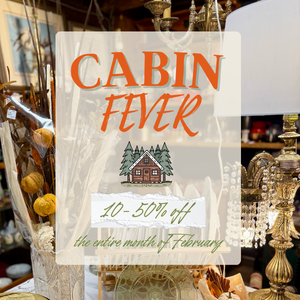
Cabin Fever sale sign with orange text, winter cabin graphic, and “10–50% off” on a shop window
February 25, 2026
Escape winter cabin fever at Cookstown Antique Market! Receive 10-50% off almost everything in storenow through the end of February.
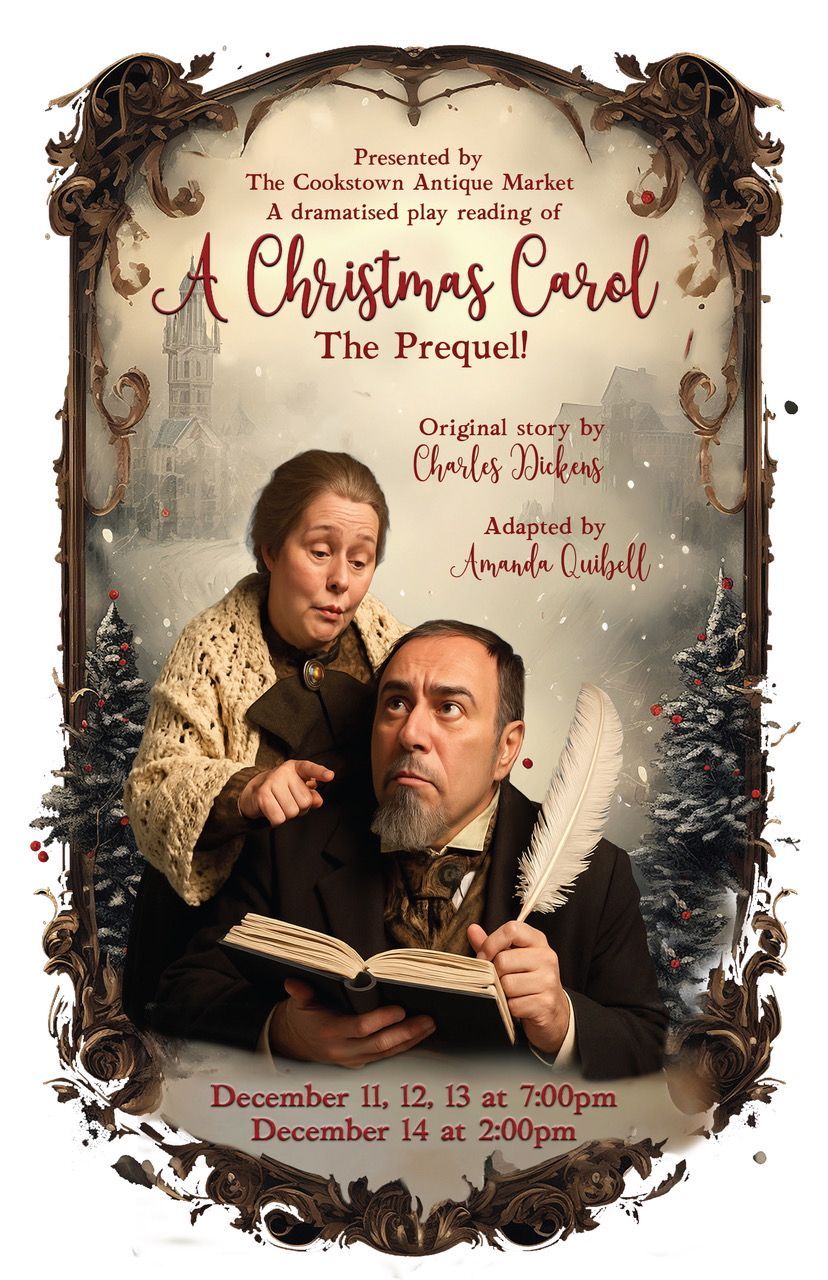
Vintage-style poster for “A Christmas Carol the Prequel” with two characters and a quill on a sepia background
November 17, 2025
From Mrs. Catherine Dickens, Domestic Providence & Household Muse DEAR FRIENDS AND GOODLY NEIGHBOURS, Mr. Charles Dickens, Author, finds himself in the gravest of literary predicaments: his newest story — A Christmas Carol — simply refuses to move along! To remedy this unfortunate blockage of the imagination, we are hosting a Sociable Reading & Prompting Party , and you are most urgently invited to assist. Join us in the Dickens parlour, where friends and neighbours (that’s you!) shall lend your laughter, and good company to help Mr. Dickens bring his tale to life. Expect a lively reading of A Christmas Carol, complete with pantomime, whimsy, and just a touch of holiday foolishness — for what better cure is there for a stuck story than shared merriment?
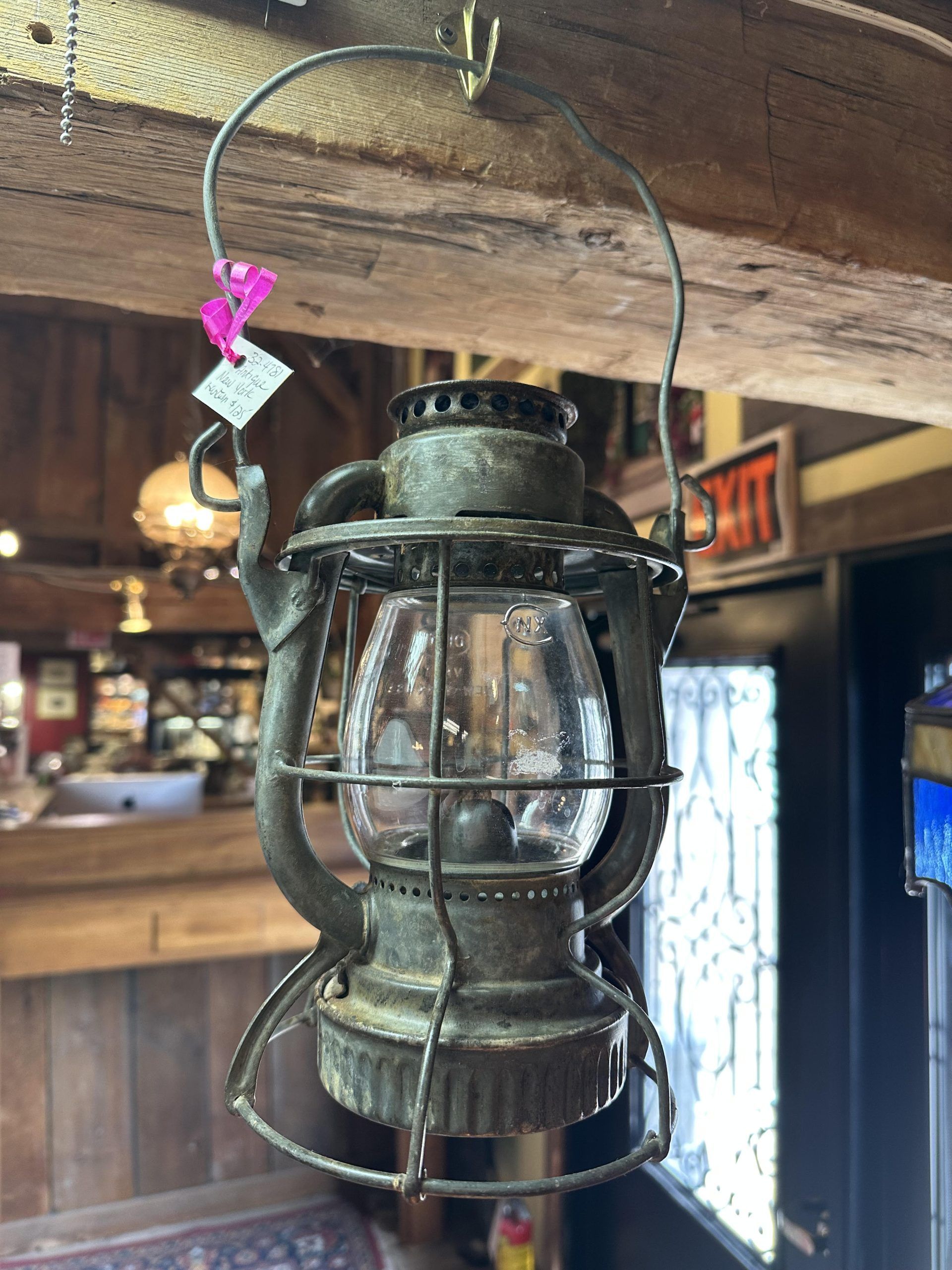
Old black metal lantern hanging from a rustic wooden beam indoors
January 4, 2025
Explore the different types of antique railway lanterns, from fixed globes to conductor’s styles—plus tips on value, markings, and where to find them.