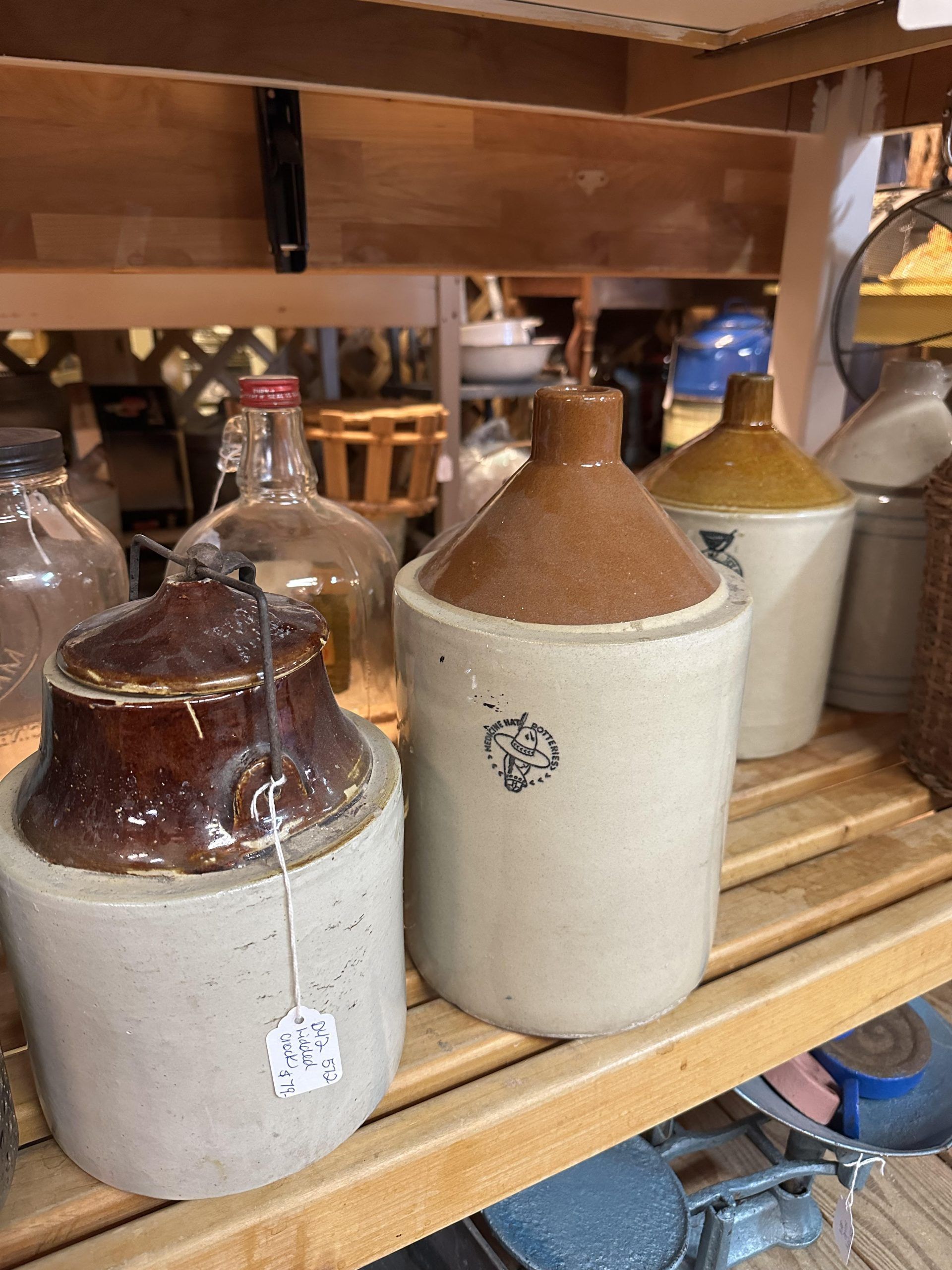
Long before there were crocs for your feet there were crocks, stoneware crocks that were used for storing food such as pickled vegetables, butter, and salted meats before there were refrigerators. Made of a durable water-tight ceramic material, stoneware crocks were a mainstay in early pioneer North America in the 18th, 19th and 20th centuries.
The first of these types of stoneware crocks originated in France before spreading to Germany and Britain, although, the story of crocks goes back even further to ancient civilizations. The manufacture of crocks started in the 1800s in North America in New York, New Jersey and Pennsylvania and were known to be sturdy, durable and affordable. The material used to make crocks was versatile and could be easily designed and molded into a variety of shapes and sizes to accommodate the different foods and beverages that were to be stored.
With the growing popularity of crocks, more companies quickly started producing and distributing their crocks across North America and around the world. While most manufacturers produced crocks that were made with white clay and grey salts emblazoned with cobalt blue designs, there were some variations that were two tone, brown or beige.
The types of crocks were preservation crocks, water crocks, bean crocks, food storage crocks, advertising crocks and decorative crocks, each one with a different size and shape.
Different types of crocks had different markings that indicated the capacity and size of the crock while others had logos and symbols as well as regional or maker, country and signature marks on the base or handles. While some crocks were had simple markings, others featured flowers, birds and marine illustrations that were etched or painted.
Styles of crocks were influenced by local clays, glaze materials and the cultural backgrounds of the potter. Early New England crocks were salt-glazed with incised or stamped decorations while later pieces had cobalt floral and pastoral illustrations. Mid-Atlantic crocks were a distinctive blue on gray with ornate freehand and stenciled designs. Crocks in the Midwest had earthy tones with slip-trailed and sponged motifs. In the south, there were alkaline-glazed crocks with greenish-brown hues with illustrations in a rural theme.
Some of the most popular pottery companies that produced stoneware crocks included the Monmouth Pottery of Monmouth, Illinois who produced such practical and useful stoneware as jugs and butter churns that were marked with a distinctive maple leaf logo. Western Stoneware Company which merged seven stoneware companies, including Monmouth, produced such stoneware as crocks, butter churns, jugs and water coolers that were finished with a salt glaze.
One of the most popular stoneware companies was Red Wing Stoneware and Pottery that specialized in stoneware, dinnerware and pottery that was founded in 1861 in Minnesota and featured the red wing logo. Their antique stoneware is considered rare in today’s market. Robinson Ransbottom Pottery which was founded in 1901 used yellow clay in the production of stoneware and crocks. Their products ae identified with a blue crown mark and are valued among collectors today.
The value of antique stoneware crocks is determined by the design, the manufacturer, the condition, the type of glazing used and the rarity of the piece but prices can range from a couple hundred dollars to a few thousand dollars.
You
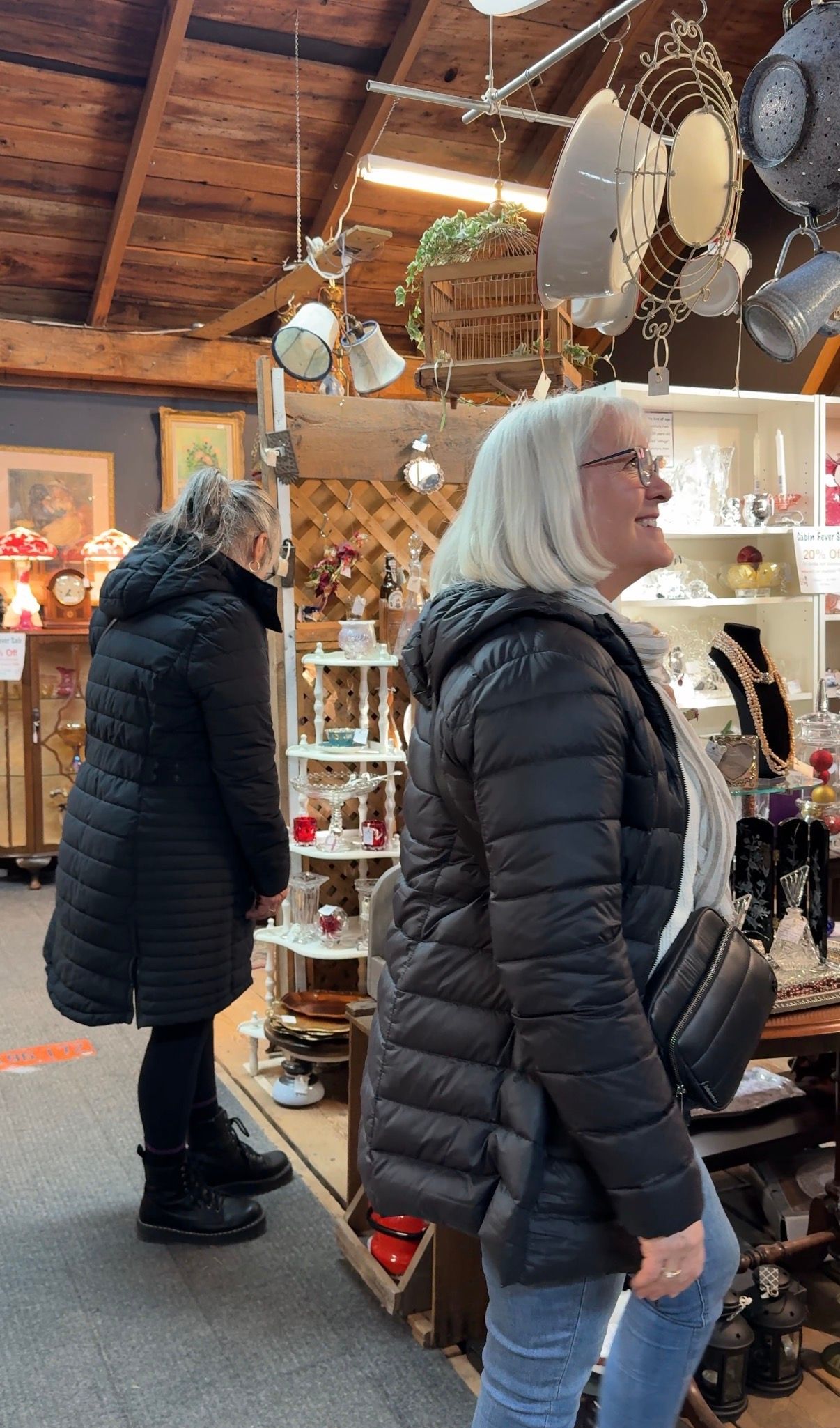
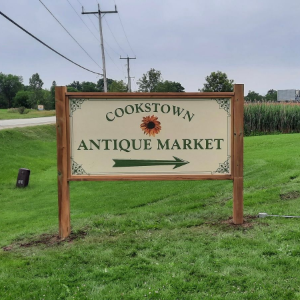
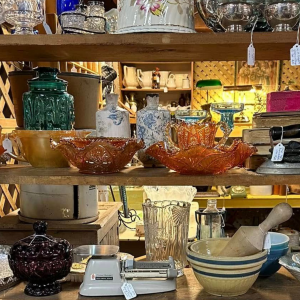
might find examples of antique stoneware crocks among the quality antiques and vintage items available from 35 dealers at the Cookstown Antique Market on Highway 27 in Cookstown, Ontario. Decorators, collectors and the casual enthusiasts can browse through the 6,000 square foot century old barn for that special purchase.